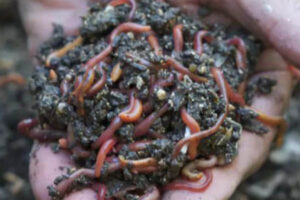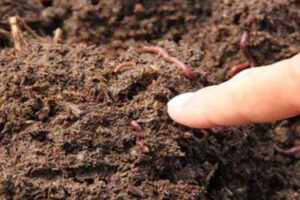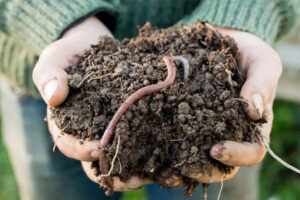
Introduction: Layering a worm farm is essential for maintaining a healthy and efficient vermicomposting system. By following these steps, you can effectively layer your worm farm and create an optimal environment for your worms to convert organic waste into valuable compost.
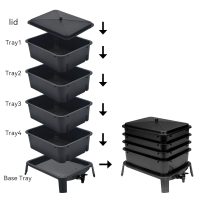
- Step 1: Prepare the Bedding
Start by preparing the bedding material for your worm farm. Shred newspaper or cardboard into thin strips and moisten them until they are damp but not dripping wet. The bedding provides a comfortable and moist environment for the worms.
- Step 2: Add a Layer of Bedding
Begin by placing a thick layer of damp bedding at the bottom of the worm farm. This layer acts as a foundation, providing insulation and absorbing excess moisture.
- Step 3: Introduce the Worms
Gently add the worms to the bedding, spreading them out evenly. Take care not to harm the worms during this process. The worms will quickly burrow into the bedding and begin their work of converting organic waste into nutrient-rich compost.
- Step 4: Add Organic Waste
Place kitchen scraps such as fruit and vegetable peels, coffee grounds, and tea bags on top of the bedding. Bury the food waste within the bedding to prevent odors and discourage pests from being attracted to the farm.
- Step 5: Cover with More Bedding
Add another layer of damp bedding on top of the organic waste. This layer helps maintain the proper moisture level in the worm farm and provides insulation for the worms. It also helps minimize odors and keep pests away.
- Step 6: Repeat the Layers
Continue adding alternating layers of organic waste and bedding as the worms consume the food. Make sure to bury the food scraps within the bedding each time to maintain a healthy and odor-free environment. Aim for a balance between the amount of waste added and the capacity of the worm farm.
- Step 7: Maintain Moisture and Ventilation
Regularly check the moisture level in the worm farm. If it becomes too dry, mist the bedding with water. If it is too wet, add dry bedding material to absorb excess moisture. Ensure that the worm farm has proper ventilation to prevent anaerobic conditions.
- Step 8: Harvest the Compost
After a few months, the bedding and organic waste will transform into nutrient-rich worm castings. To harvest the compost, create a new area in the worm farm by pushing aside the old bedding and food. The worms will migrate to the fresh area, allowing you to collect the mature compost from the emptied side.
Conclusion: Properly layering your worm farm is crucial for maintaining a thriving vermicomposting system. By following these steps, you can create an optimal environment for your worms to convert organic waste into nutrient-rich compost. Take care to balance the moisture levels, provide sufficient ventilation, and regularly harvest the compost to ensure the success of your worm farm. Enjoy the benefits of sustainable recycling and nutrient-rich compost for your plants.