Introduction: Creating a worm bin is an eco-friendly and efficient way to recycle kitchen scraps while producing nutrient-rich compost. By following these steps, you can easily make your own worm bin and engage in the practice of vermicomposting.
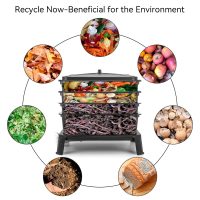
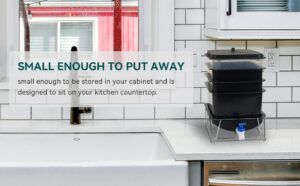
- Step 1: Choose a Container To start, select a suitable container for your worm bin. A plastic storage bin or a wooden box works well. Ensure that it has a tight-fitting lid to maintain darkness and moisture within the bin.
- Step 2: Prepare Ventilation and Drainage Drill small holes in the lid of the container to allow for proper airflow. Additionally, drill several holes near the bottom or sides of the container to provide drainage and prevent waterlogging.
- Step 3: Create Bedding Creating a comfortable bedding environment for the worms is crucial. Shred newspaper or cardboard into thin strips and moisten them until they are damp but not dripping wet. Fill the bin with the bedding material, leaving about one-third of the bin empty.
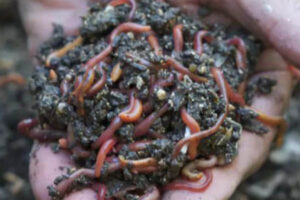
- Step 4: Introduce the Worms Purchase red worms (Eisenia fetida) from a local supplier or online. Start with approximately one pound (around 500 worms) for a standard-sized worm bin. Place the worms on top of the bedding and allow them to settle in for a few days.
- Step 5: Begin Feeding the Worms Bury kitchen scraps such as fruit and vegetable peels, coffee grounds, and crushed eggshells into the bedding. Avoid adding meat, dairy products, oily food, and citrus fruits as they can attract pests and harm the worms.
- Step 6: Maintain the Bin It’s important to keep the bedding moist but not waterlogged. Regularly check the moisture level and lightly spray water if needed. Cover the bin with the lid to maintain darkness and regulate moisture levels. Avoid exposing the bin to direct sunlight or extreme temperatures.
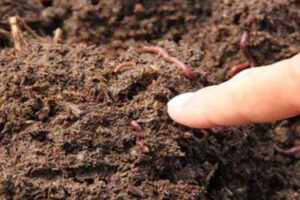
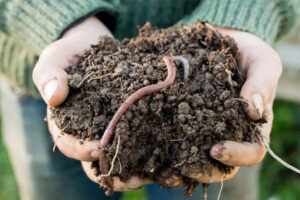
- Step 7: Harvest the Compost After a few months, the worms will transform the kitchen scraps into nutrient-rich compost. To harvest the compost, push the contents of the bin to one side and add fresh bedding and food to the other side. The worms will migrate to the new food source, allowing for easy collection of the mature compost.
Conclusion: By following these steps, you can create your own worm bin and participate in the beneficial practice of vermicomposting. Not only does it help reduce kitchen waste, but it also provides you with nutrient-rich compost for your plants. Start your own worm bin today and contribute to a more sustainable lifestyle.