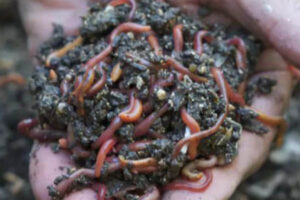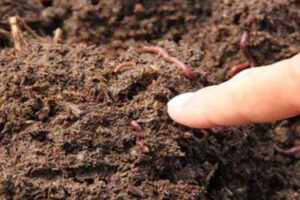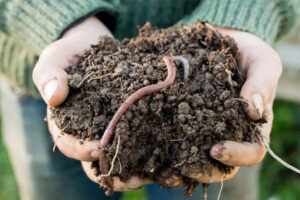
Introduction: The number of worms you need for your compost bin depends on various factors, including the size of the bin, the amount of organic waste generated, and the desired rate of decomposition. In this article, we will explore how to determine the ideal number of worms for your compost bin to maximize efficiency and produce nutrient-rich compost.
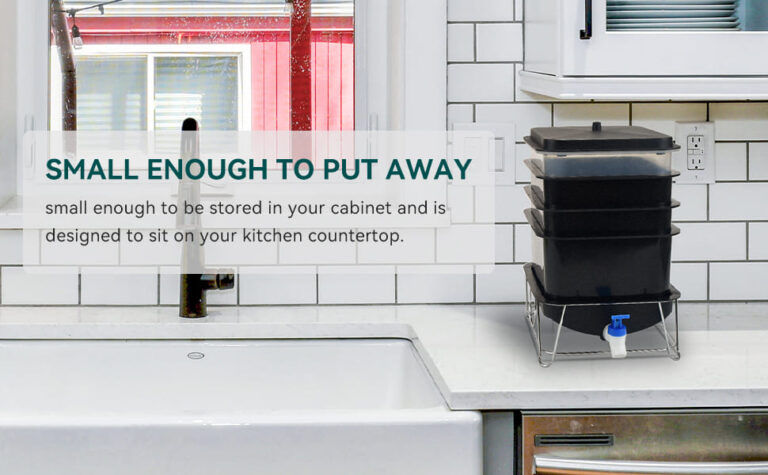
- Calculate the Worm Density: A general rule of thumb is to start with a worm density of approximately 1 pound (500 grams) of worms per square foot of surface area in your compost bin. This density ensures that there are enough worms to efficiently break down the organic waste within a reasonable timeframe. However, you can adjust this density based on your specific needs and preferences.
- Consider the Size of Your Compost Bin: The size of your compost bin is a crucial factor in determining the number of worms required. Larger bins generally need more worms to effectively decompose the organic waste. Measure the surface area of your bin and calculate the recommended number of worms based on the desired worm density mentioned earlier.
- Assess the Amount of Organic Waste: Take into account the amount of organic waste you generate daily or weekly. A rough estimate is that worms can consume roughly half of their weight in food each day. Consider the volume and type of waste you produce and choose a worm population that can process it efficiently. Gradually increase the number of worms if needed.
- Start with a Suitable Quantity: For the average household, starting with 1-2 pounds (500-1000 grams) of worms is usually sufficient to establish a thriving worm population in a standard-sized compost bin. This quantity provides a good balance to begin the decomposition process without overwhelming the worms. As the population grows and adapts to the available food, they will reproduce and increase their numbers naturally.
- Monitor and Adjust as Needed: Regularly monitor the progress of your compost bin and observe how quickly the worms are decomposing the organic waste. If the decomposition rate seems slow or your organic waste is accumulating faster than expected, it may indicate a need for more worms. Gradually increase the worm population to match the demand and optimize the composting process.
- Maintain Suitable Environmental Conditions: Remember that worms require suitable environmental conditions to thrive. Ensure the bedding is moist but not waterlogged, maintain a proper balance between carbon-rich (browns) and nitrogen-rich (greens) materials, and provide adequate airflow and ventilation in the compost bin. A healthy and favorable environment will support the optimal growth and reproduction of the worm population.
Conclusion: Determining the ideal number of worms for your compost bin involves considering factors such as bin size, desired decomposition rate, and the amount of organic waste generated. Starting with a recommended worm density of approximately 1 pound per square foot and adjusting based on your specific circumstances is a good starting point. Regularly monitor the progress, feed the worms appropriately, and make adjustments as needed to ensure efficient decomposition and the production of nutrient-rich compost. With the right number of worms in your compost bin, you can enjoy the benefits of effective vermicomposting and contribute to a more sustainable lifestyle.