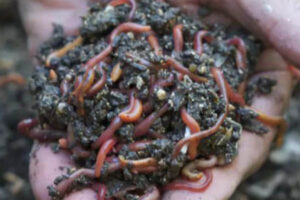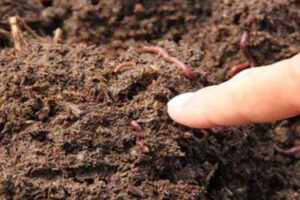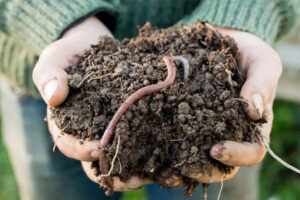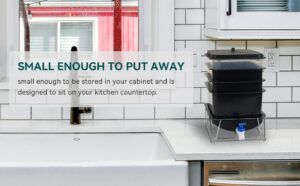
(Worm composter, also named worm farm, worm bin, worm bag, compost bin, compost bag etc.)
Worm composting can be a potentially profitable venture, offering a range of benefits and opportunities. However, the profitability of worm composting can vary depending on several factors.
One of the advantages of worm composting is that it has relatively low start-up costs. This makes it an accessible business option for many individuals. Additionally, there is a consistent demand for worms and their by-products, such as high-quality compost.
The profitability of worm composting can depend on factors such as
1. The size of the operation: Larger composter may be able to produce more and reach economies of scale.
2. Marketing and distribution channels: Establishing effective ways to sell the worms and compost is crucial.
3. Cost of inputs: This includes the cost of feed, bedding, and other supplies.
Worm composting can offer additional income streams beyond just selling the worms. For example, selling the compost produced can be a valuable source of revenue. It is also possible to sell worm castings or offer educational workshops on sustainable waste management.
However, it's important to consider the following:
1. Time and effort required: It takes dedication to manage the composter properly.
2. Market competition: There may be other worm composters in your area.
3. Weather and climate conditions can impact the growth and productivity of the worms.
Overall, worm composting can be profitable if managed effectively. It provides a way to turn organic waste into a valuable resource while generating income. With careful planning, marketing, and attention to detail, worm compmosting can be a rewarding and profitable enterprise.